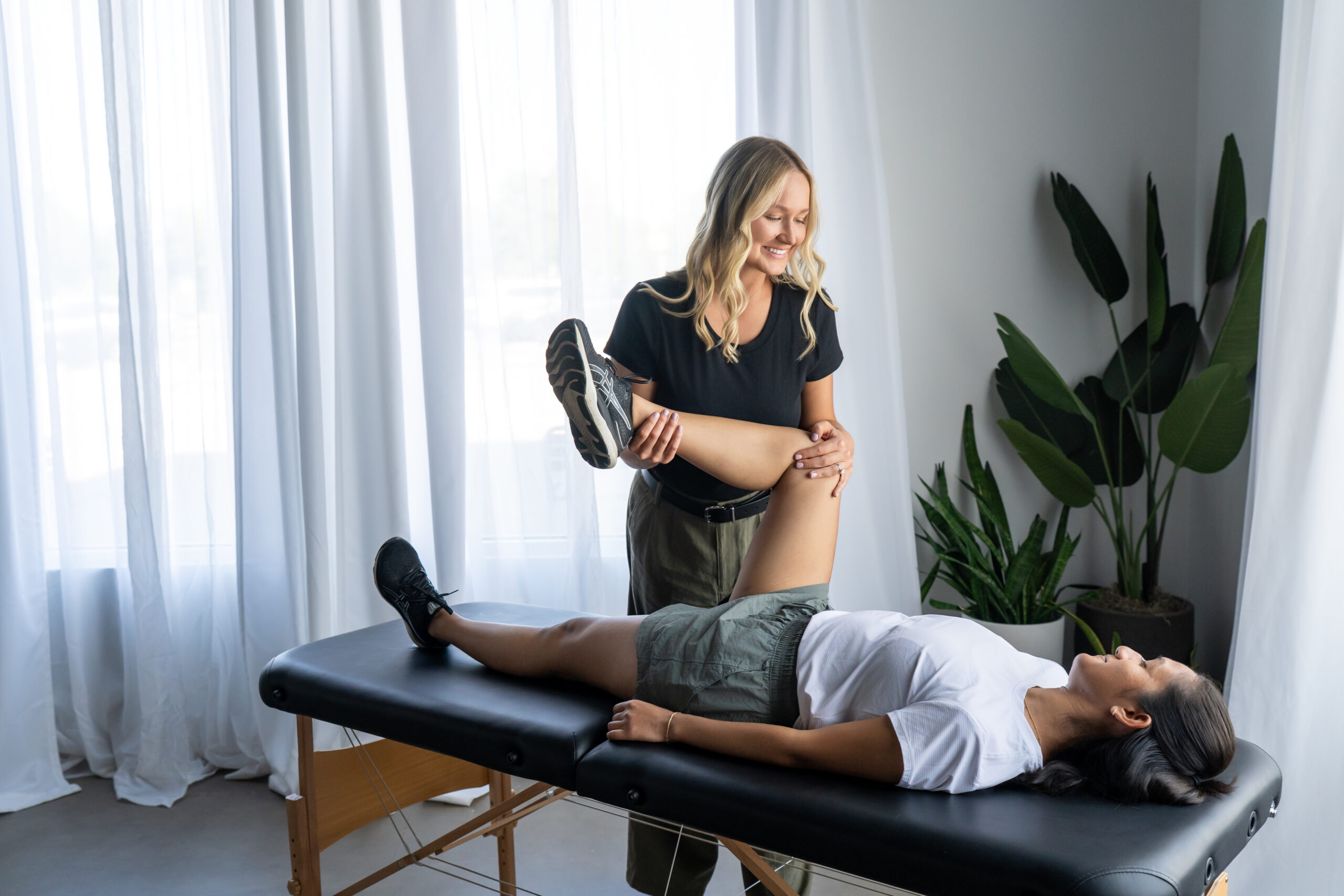
Pelvic Pain During Pregnancy? Here’s How PT Can Help
If you’re pregnant and dealing with pelvic pain, you are not alone. There’s about 70% of pregnant women that deal with some kind of pelvic pain during pregnancy. So if you’re thinking, “Is this normal?” — yes. Common? Very. Fun? Absolutely not.
The good news? You don’t just have to “deal with it” or wait it out.
Pelvic floor physical therapy is a safe, non-invasive way to calm things down, reduce discomfort, and help your body adapt to all the changes happening right now. (Because let’s be honest, pregnancy is amazing, but it’s also a lot.)
At Built to Move, I work with women every day who are navigating the aches, pulls, pressure, and “why does that hurt?” moments of pregnancy. Together, we figure out what’s actually causing your pelvic pain and create a plan that helps you move, sleep, exercise, and live with a whole lot more comfort.
What Causes Pelvic Pain During Pregnancy?
When you’re pregnant, your body goes through some pretty big changes. Here’s why pelvic pain is so common:
- Hormonal Changes and Relaxin
- As your body prepares for childbirth, it releases a hormone called relaxin. This hormone softens ligaments and joints to make room for your growing baby. While it’s great for labor, it can make your pelvic area feel a little unstable and painful.
- Weight Gain and Postural Shifts
- As your baby grows, your body’s weight distribution shifts. Your center of gravity changes, which puts more pressure on your pelvis and lower back. This can cause pain, especially as you get further along in your pregnancy.
- Growing Baby and Pressure on Pelvic Structures
- Your baby is growing (yay!) but it doesn’t always feel so great on your pelvis. Your uterus expands and can puts pressure on the pelvic structures. This pressure can cause discomfort in the pelvic joints, lower back, or hips and even your digestive system (hello constipation!)
Common Pregnancy Related Pain Complaints
Pelvic pain can look different for everyone, but here are the most common symptoms to look out for:
Lower Back and Pelvic Pain
Pain that starts in your lower back and radiates down to your pelvis is very common during pregnancy. It may come and go or feel constant, depending on how your body is adjusting to the pregnancy.
Sciatica and Pelvic Discomfort
You might also experience sciatica, which is pain that shoots down the sciatic nerve. This can be worsened by the pressure the baby puts on your pelvis, making it feel like a sharp, shooting pain.
Pubic Symphysis Dysfunction (PSD)
Pubic symphysis dysfunction aka “Lightning Crotch” happens when the joint in the front of your pelvis becomes unstable. This can cause sharp pain or tenderness around your pubic bone and can make walking or getting in and out of bed more difficult.
Round Ligament Pain
Round ligament pain is a common discomfort that many women experience during pregnancy. As your uterus grows, the round ligaments—located on either side of your pelvis—stretch to accommodate the expanding baby. This can cause sharp or aching pain on one or both sides of your lower abdomen. While it can be uncomfortable, round ligament pain is typically harmless and tends to lessen as your body adjusts. However, if the pain becomes severe or persistent, it’s a good idea to consult with a pelvic floor physical therapist to help manage the discomfort and ensure your body is well-supported throughout pregnancy.
Difficulty Walking or Standing for Long Periods
If you find that standing or walking for too long makes your pelvic pain worse, you’re not alone. This is another sign that your pelvic area is under strain and may benefit from some targeted physical therapy.
Why Physical Therapy is the Best Solution for Pelvic Pain During Pregnancy
Physical therapy is one of the best ways to deal with pelvic pain during pregnancy, and here’s why:
Non-Invasive and Safe for Both Mom and Baby
One of the best things about PT is that it’s completely safe for both you and your baby. Instead of relying on medications, PT focuses on exercises and techniques that help manage pain naturally and effectively.
Personalized Treatment Plans for Every Stage of Pregnancy
Every stage of pregnancy is different, and so is your pain. Dr. Caitlin can tailor your treatment to meet your specific needs, whether you’re in your first, second, or third trimester.
Pain Relief Without Medication
If you’re trying to avoid medication, physical therapy can be a great option. I utilize, manual therapy, stretches, and specific exercises to help reduce your pain hollisitcally.
How Pelvic Floor Physical Therapy Helps
Pelvic floor PT focuses on strengthening and stabilizing the muscles that support your pelvis and lower back. Here’s how it works:
Strengthening the Pelvic Floor Muscles
Your pelvic floor muscles play a big role in supporting your growing uterus. Strengthening these muscles through targeted exercises can help relieve some of the pressure and pain you’re feeling.
Improving Posture and Alignment
As your belly grows, your posture changes. Physical therapy at Built to Move can help improve your posture and spinal alignment, which can take some of the strain off your pelvic joints.
Stretching and Mobilization Techniques
Tight muscles and joints can contribute to pelvic pain, and physical therapists are experts at using stretching and mobilization techniques to relieve that tension and improve your range of motion.
Breathing and Relaxation Techniques
Relaxation is just as important as strengthening. Breathing exercises and relaxation techniques help reduce muscle tension and can make a big difference in how you feel.
Conclusion
If you’re dealing with pelvic pain during pregnancy, physical therapy can be a game-changer. It’s a natural, safe, and effective way to manage pain, improve mobility, and prepare your body for labor and delivery. Whether you’re looking for relief from current pain or just want to ensure a smoother pregnancy and delivery, pelvic floor PT at Built to Move is worth considering.
Don’t wait to get the help you need. If you’re ready to feel better, reach out to us at Built to Move and take the first step toward relief. You don’t have to suffer through pelvic pain—relief is within reach!
Call or text us at 732-592-9064 or hit the contact us button to get started.
February 27, 2026
2405 NJ-71, Suite B, Spring Lake Heights, NJ 07762
(Located inside Karma Barre and Yoga)
732-592-9064

builttomovept@gmail.com
